Hello Nerve-Loving Herbs + Recipe

The world can feel crazy, and right now it feels very much so! Frazzled and frenzied, muddy and mushy, and drippy and dank are emerging from my corner of the world. Deep breaths and reassuring thoughts of peace, gratitude, and abundance are called in—along with this tea formula.
Hello nerve-nourishing, uplifting herbs to help with this tense, cold, dark moment!
Nerve-Tonic-Uplift Recipe

Oatstraw- 3 parts
Lemon Balm- 1 part
chamomile- 1part
rose- 1/2 part
licorice- pinch
cinnamon- pinch

This blend is made with dried herbs. The herbs are (ideally) weighed to get the parts right. I suggesting using ounces as the parts. And if so, this tea blend makes 5 1/2 ounces. Use about an ounce of the herb mixture per quart of infusion. To make the infusion, let steep for 4 hours, tightly covered. Then strain and drink.

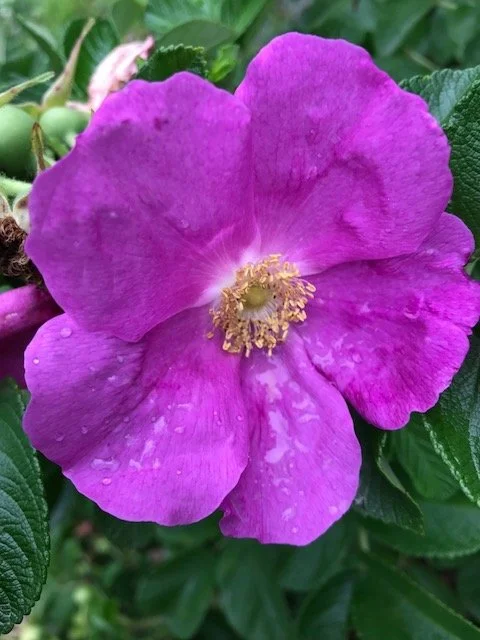
Rosa rugosa is a wonderful species of rose to harvest (or grow). The flowers and hips provide us with food and medicine. Today we call upon the flower for its heart warming, and love-evoking gifts.  

Technique on making oatstraw infusion < click here to view the video. Use this same technique for making the Nerve-Tonic-Uplift recipe, just use the tea mix in place of the oatstraw. https://youtu.be/hE_CX3D6qIM

Rose illustrated page from our book Foraging & Feasting: A Field Guide and Wild Food Cookbook by Dina Falconi; illustrated by Wendy Hollender. More about our book on our site here: www.ForagingAndFeasting.com
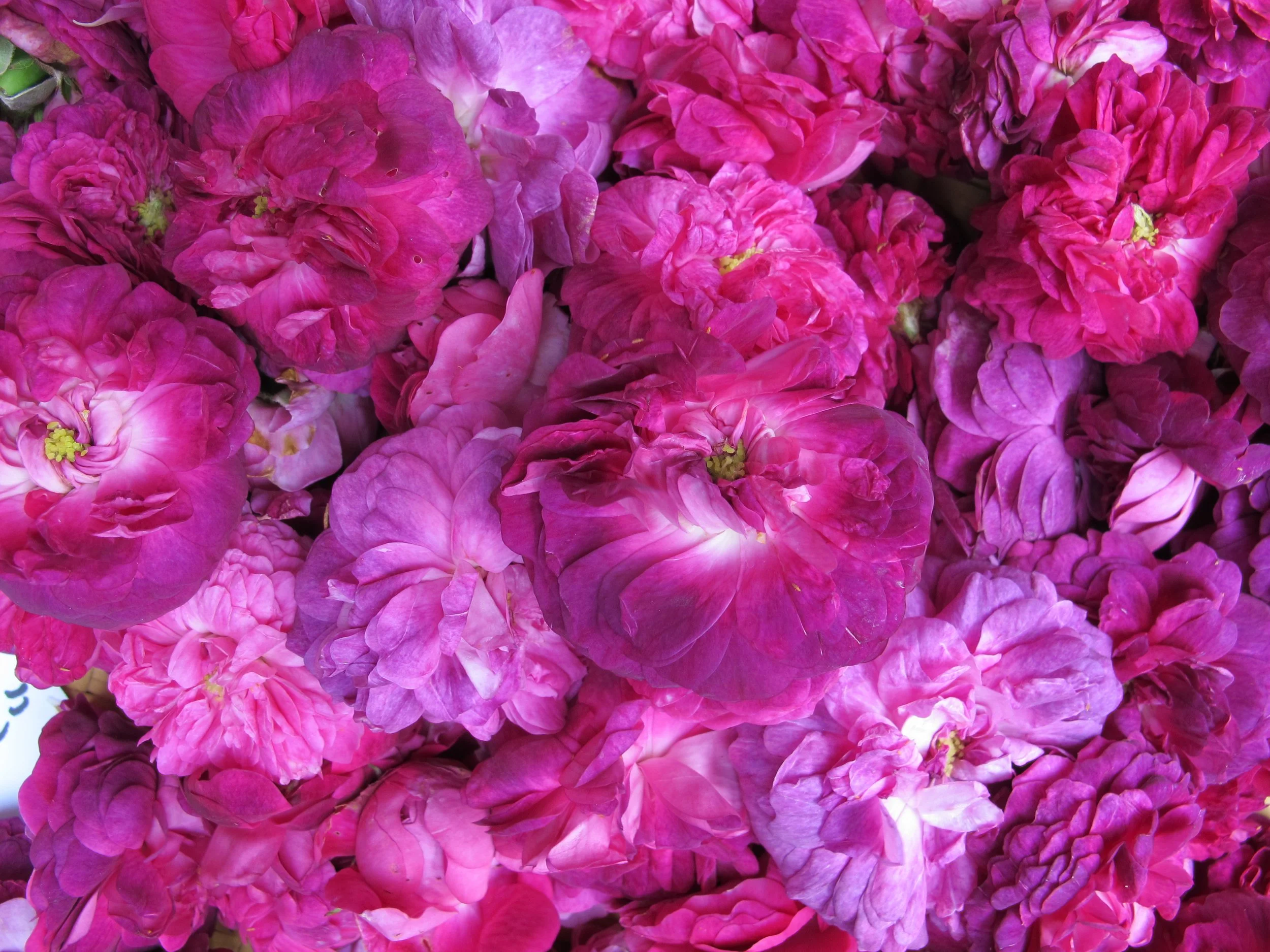
This is another species of rose: Apothecary Rose (Rosa gallica) picked in mid June; perfect for eating and medicine-making. And for sure, grow some, if you can!

Lemon Balm illustrated page from our book Foraging & Feasting: A Field Guide and Wild Food Cookbook by Dina Falconi; illustrated by Wendy Hollender. More about our book on our site here: www.ForagingAndFeasting.com

Lemon Balm flowering tops at the perfect stage for medicine-making. I gathered these in mid July (Mid Hudson Valley, New York) Lovely to see you lemon balm who calms and lifts our spirits. 
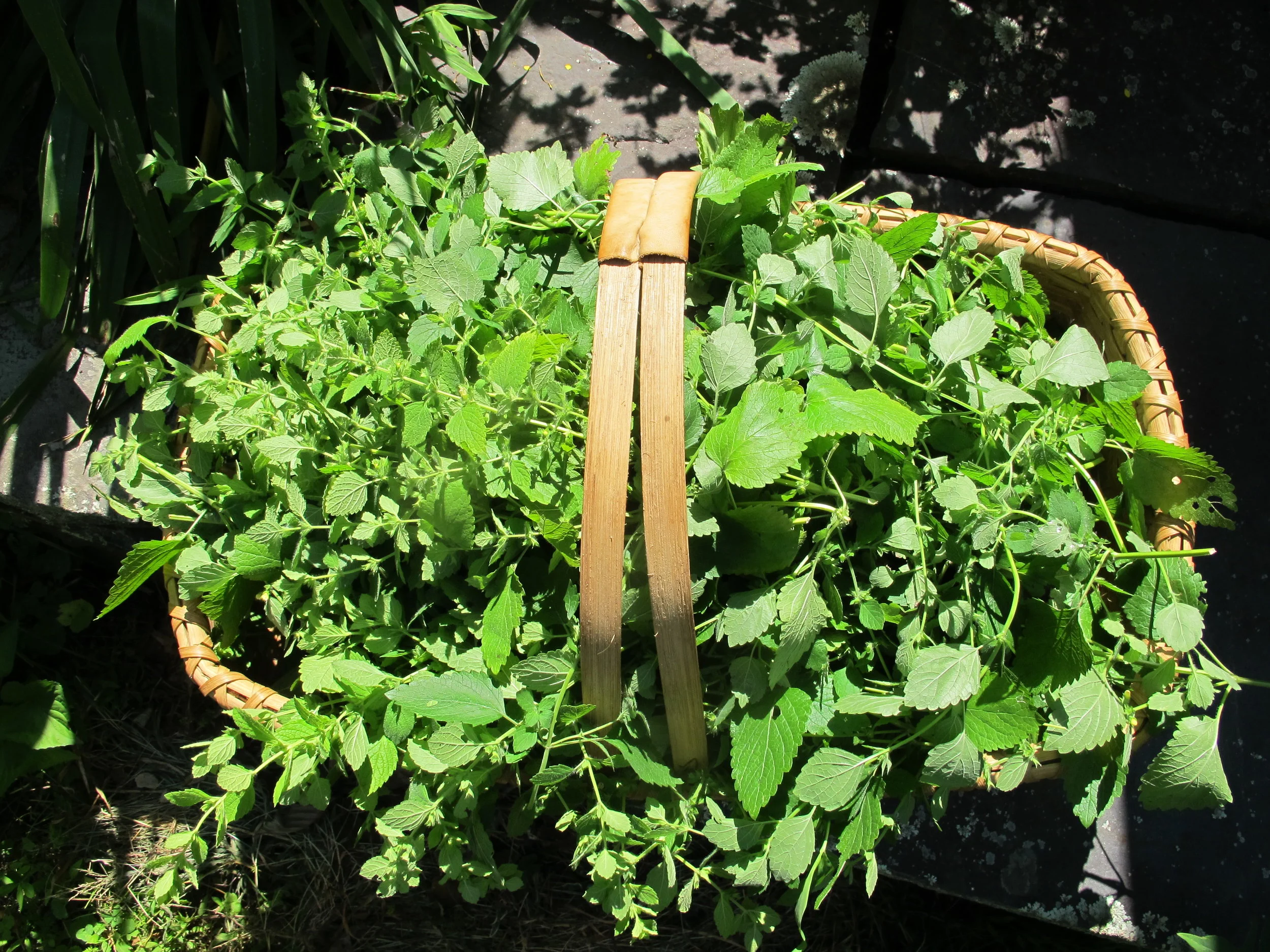
Sending peace and love!
In gratitude,
Dina
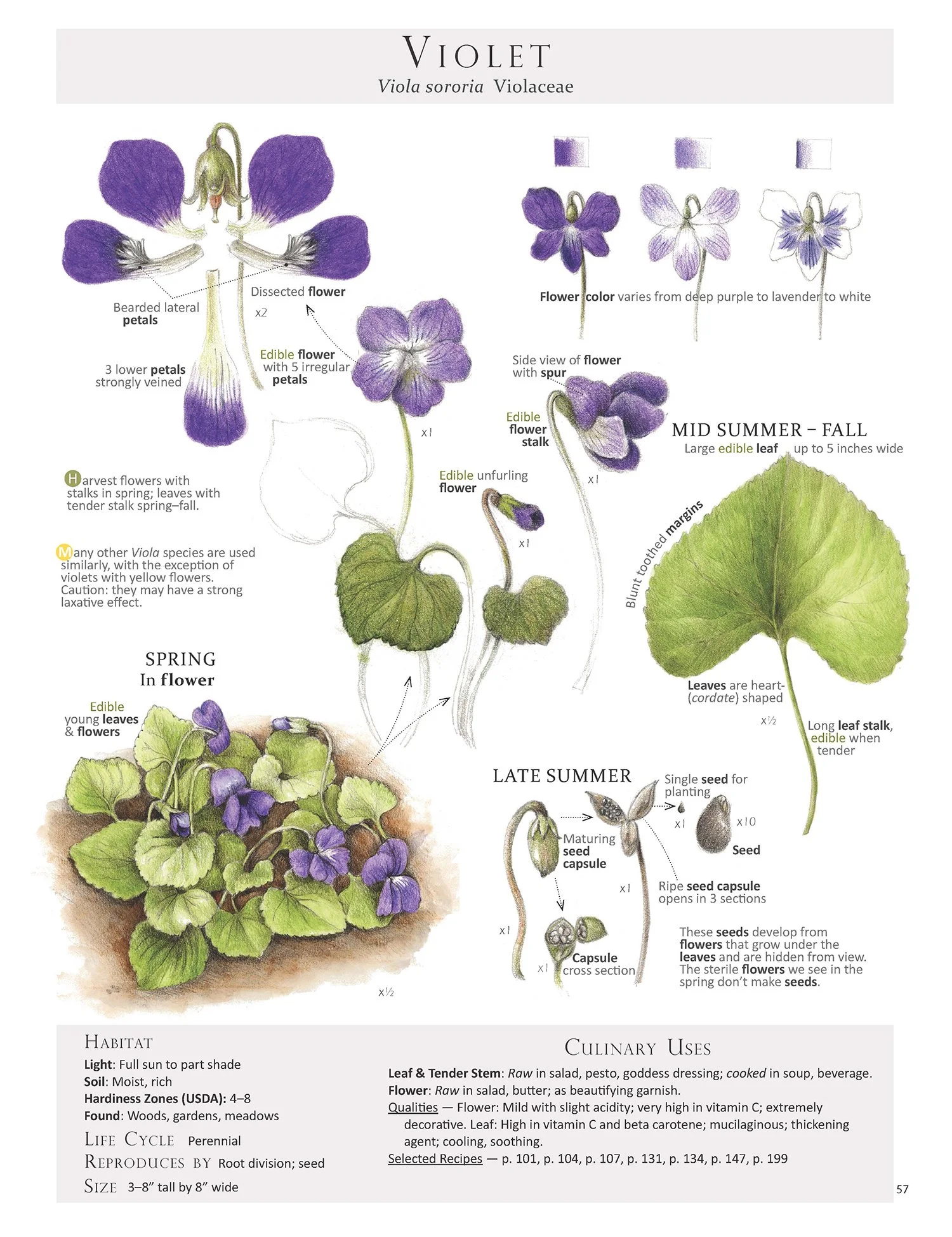
Sweet Violet Valentine's Day to You!

Who is your herbal Valentine, do tell?

Grateful for this nourishing wild food and gentle powerful medicine.

Its heart-shaped leaf is a rich source of vitamin C + other nutrients, while offering a soothing touch to our skin and mucous membranes—and of course those lovely EDIBLE flowers!

To help with ID, harvest and use, here is our Violet Plant Map from Foraging & Feasting: A Field Guide and Wild Food Cookbook by Dina Falconi (me), illustrated by Wendy Hollender. To see more about our book, please go to our site here: www.ForagingandFeasting.com.

Today's Love Tea
This dry mix will make 4+ quarts of tea. Use 1 handful of mix per quart.

Violet from “Foraging & Feasting: A Field Guide and Wild Food Cookbook” by Dina Falconi, illustrated by Wendy Hollender. To see more about our book, please go to our site here: www.ForagingandFeasting.com.

violet leaf 1 oz
hawthorn berry 1 oz
rosehip 1 oz
damiana 1/4 oz
rose 1/4 oz
ginger 1/4 oz
vanilla 1/8 oz
nutmeg pinch
licorice root pinch

To make: Crush herbs right before use. Place a handful of the herb mix (about 1oz by weight) into a quart mason jar. Pour boiling water over the herbs and fill the jar to the top. Cap tightly and let steep for 1-4 hours. Strain, gently reheat in a covered pot, and if desired, add warm cream or milk and a touch of honey. Enjoy!

Do you use violet, and if yes, how so?

Comfrey: a very useful yet controversial friend.

Comfrey (Symphytum officinale) of the Boraginaceae family offers many gifts, ranging from food and medicine for us humans (if we dare, please see cautionary note below); as fodder for animals; and as a soil enricher referred to in permaculture as a dynamic accumulator. Right now this perennial plant flourishes, lush, vibrant and green in the landscape, making it a perfect time to gather its nutrient dense leaves for food and medicine. Dry the leaves for a mineral rich, soothing tea or use to make a topical healing oil. The smaller, younger leaves can be eaten as a cooked vegetable aka potherb: tasty in soup, quiche, frittata, etc. Or feed the leaves to your compost pile; brew them into a green manure tea for feeding plants; or if you have goats, feed some to them— they will love it.

From the book&nbsp;Foraging &amp; Feasting: A Field Guide and Wild Food Cookbook by Dina Falconi; illustrated by Wendy Hollender&nbsp;.

From the book Foraging & Feasting: A Field Guide and Wild Food Cookbook by Dina Falconi; illustrated by Wendy Hollender .

Click for more on pyrrolizidine alkaloids.