Black Walnut

Now is the time for harvesting and processing black walnut (Juglans nigra of the Juglandaceae family). The green hull will go into organic cold pressed olive for a therapeutic anti-fungal oil-come-salve and the musky-flavored nut meat will go into our mouths. Prized for its wood in furniture-making, this large, native Eastern North American tree can be found growing in USDA zones 4-9. Now is the time for gathering these fallen fruits. Free Food & Free Medicine!

A basket of black walnuts gathered last week from the ground under the tree.
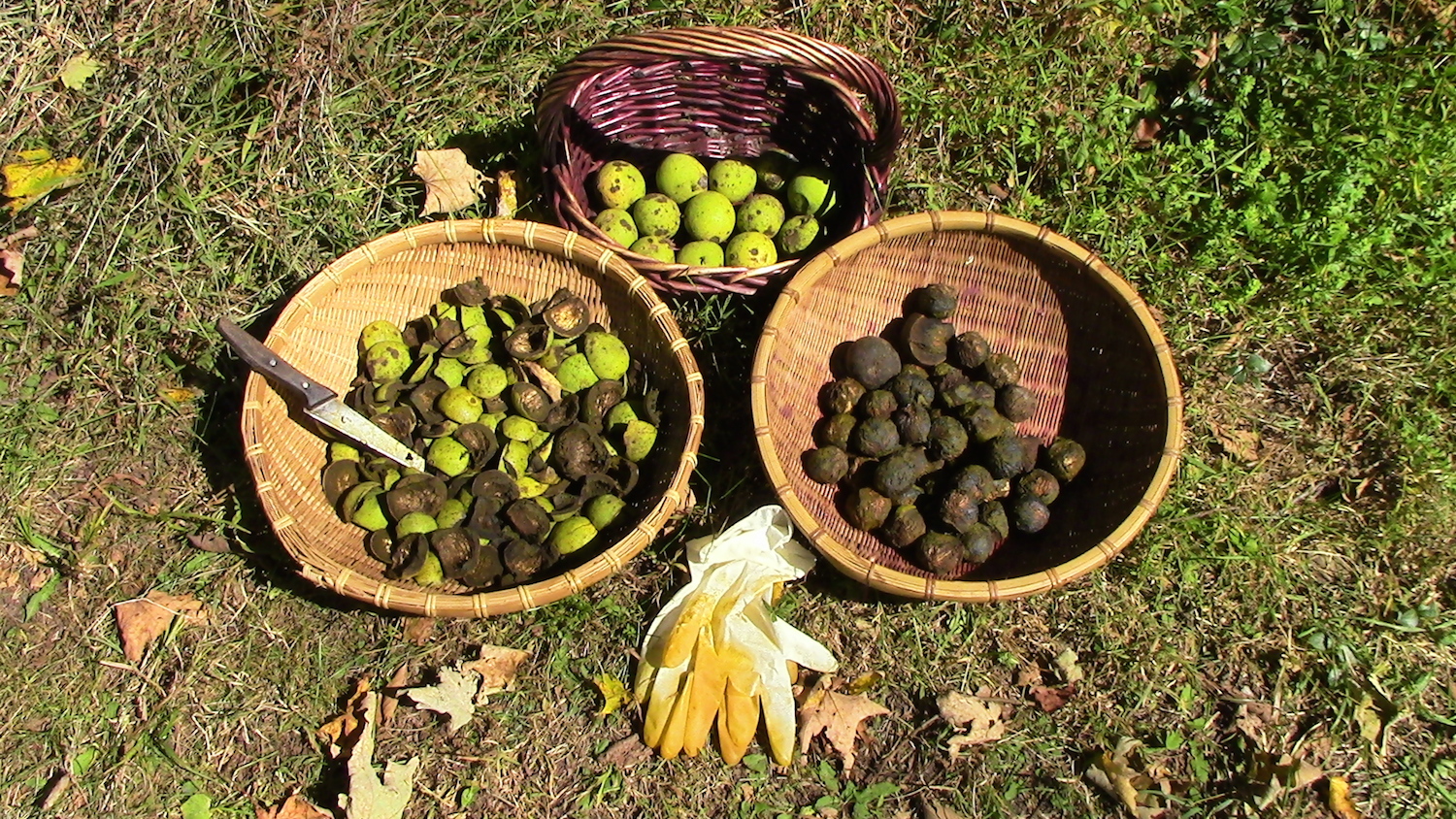
A basket of black walnuts gathered last week from the ground under the tree.

Processing black walnuts: the crime scene.

Processing black walnuts: the crime scene.

The green hull removed from the nut shell with a simple paring knife. This part will be used for making medicine. BTW, the green hull begins to brown as soon as it is cut open and comes into contact with the air.

The green hull removed from the nut shell with a simple paring knife. This part will be used for making medicine. BTW, the green hull begins to brown as soon as it is cut open and comes into contact with the air.

The black walnuts after their green hulls have been removed. At this point they can be spread out and left to dry to be eaten in the future or they can be eaten right away...... 

The black walnuts after their green hulls have been removed. At this point they can be spread out and left to dry to be eaten in the future or they can be eaten right away...... 

Technique: cracking the nut open with a stone. If you want to get fancy, friends of mine who love eating black walnuts own the Hunt's Black Walnut Nut Cracker, available from Northern Nut Growers Association. FYI, even with this tool,…

Technique: cracking the nut open with a stone. If you want to get fancy, friends of mine who love eating black walnuts own the Hunt's Black Walnut Nut Cracker, available from Northern Nut Growers Association. FYI, even with this tool, shelling the nuts is a slow, meditative affair. An even fancier option is the World's Best Nut Cracker  — heavier duty, more expensive, and faster output.

A close up of a cracked black walnut: the white flesh is the edible part and needs to be removed from the shell.
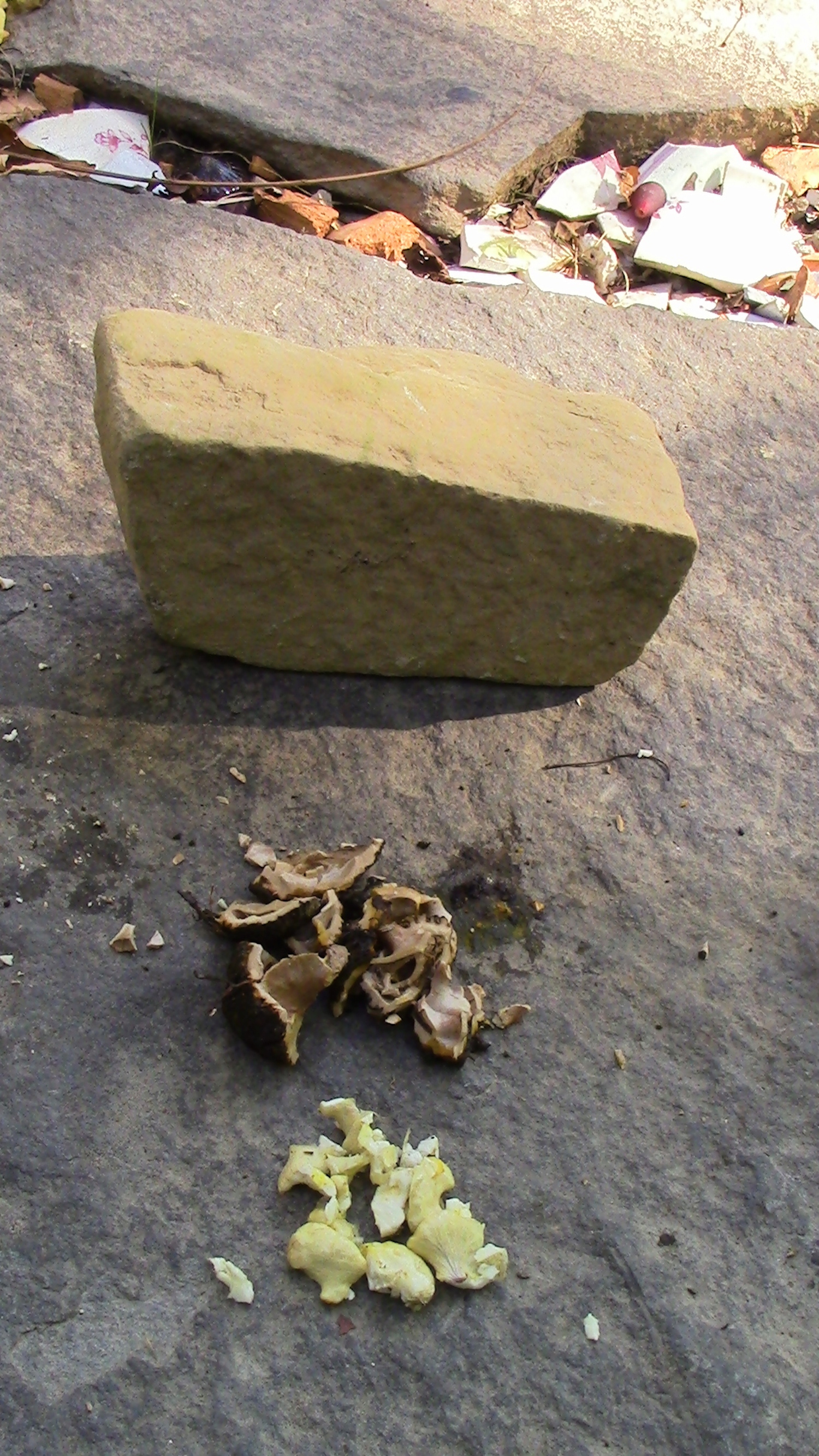
A close up of a cracked black walnut: the white flesh is the edible part and needs to be removed from the shell.

Stone for cracking; nut shell remnants (to compost); and nut meat to eat.
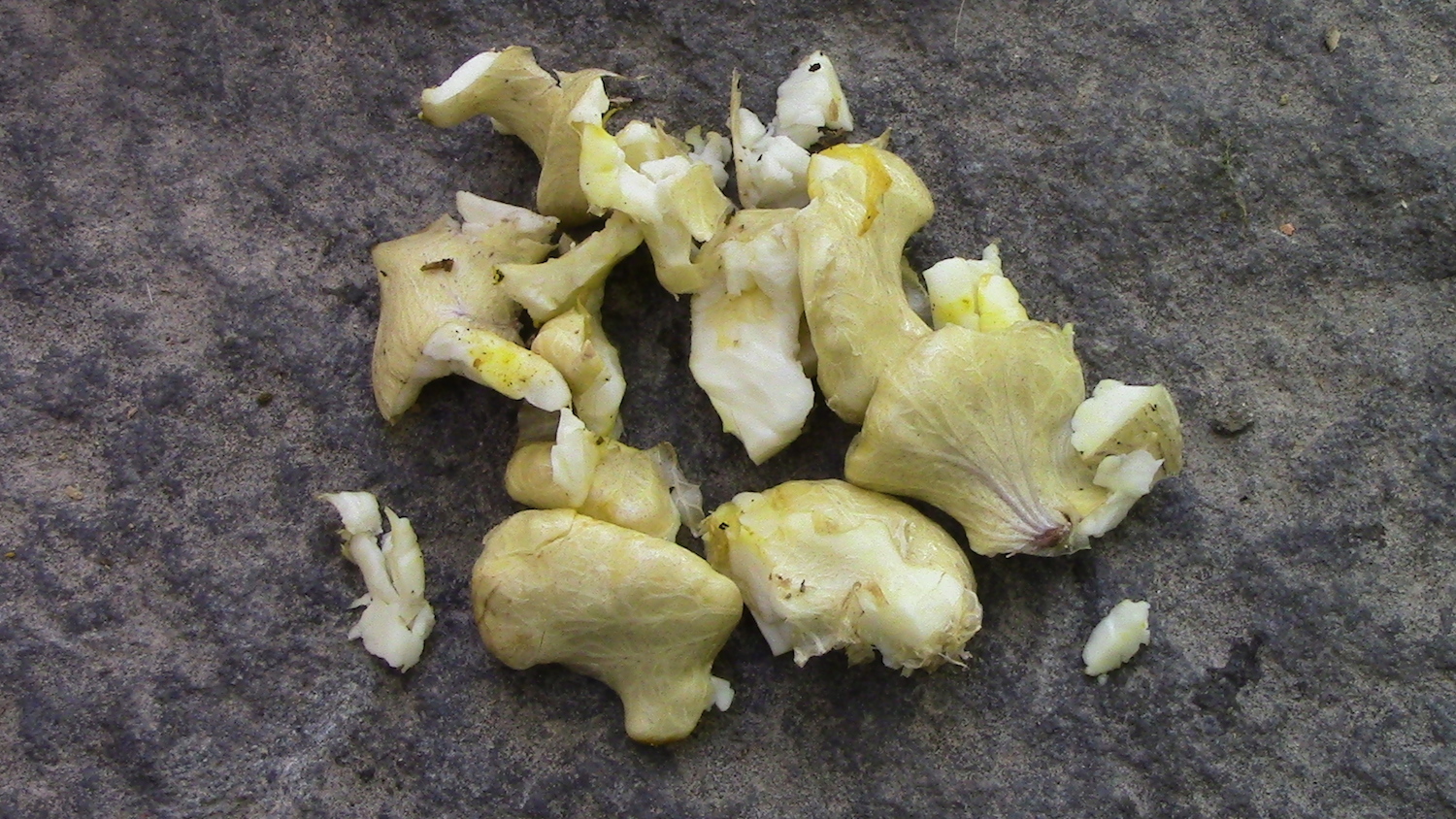
Stone for cracking; nut shell remnants (to compost); and nut meat to eat.

The yellowish-white black walnut meat ready to eat. Can be used instead of other nuts in cooking.
The yellowish-white black walnut meat ready to eat. Can be used instead of other nuts in cooking.

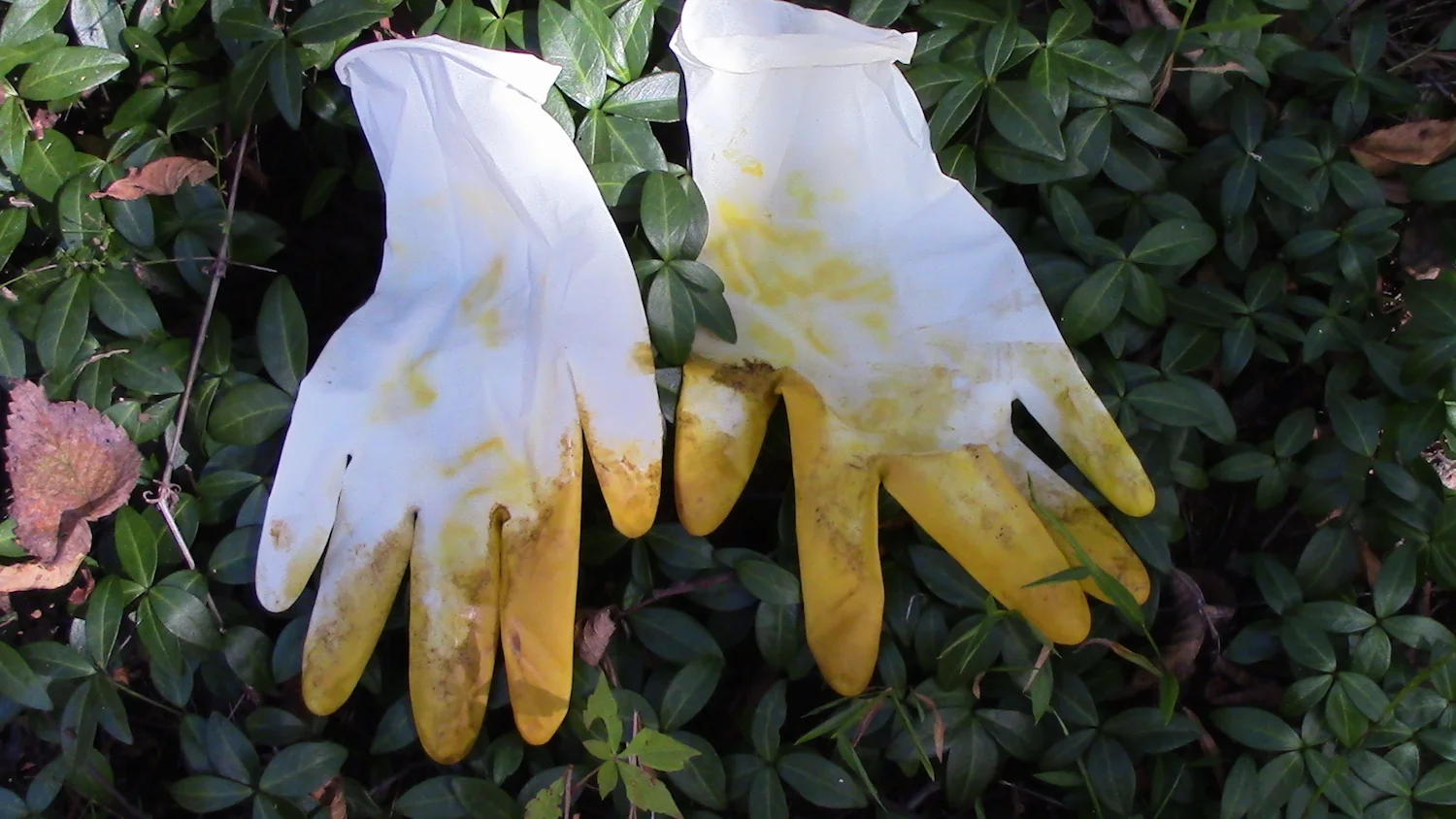
Don't forget to wear gloves when working with black walnuts as they have a strong dye that will stain your hands; the staining lasts up to three weeks.

Don't forget to wear gloves when working with black walnuts as they have a strong dye that will stain your hands; the staining lasts up to three weeks.
Wild Bergamot in Bloom

#WildBergamot blooming beautifully= food for the #Pollinators and for us. Right now it's time to indulge in those lovely, light lavender #EdibleFlowers full of spicy sweetness. Sprinkle them onto salads; blend them into softened butter; use them as a flavorful garnish throughout. This wild American native, aka #Mondarda fistulosa, is a perennial of the Lamiaceae family. Look for it in meadows, clearings, prairies, thickets and gardens. Harvest the flowering tops to brew into a strong flavorful tea with a spicy, pungent, oregano-like flavor; has cleansing and digestive promoting qualities.

Wild Bergamot Plant Identification page from the book Foraging & Feasting

Wild Bergamot Plant Identification page from the book Foraging & Feasting

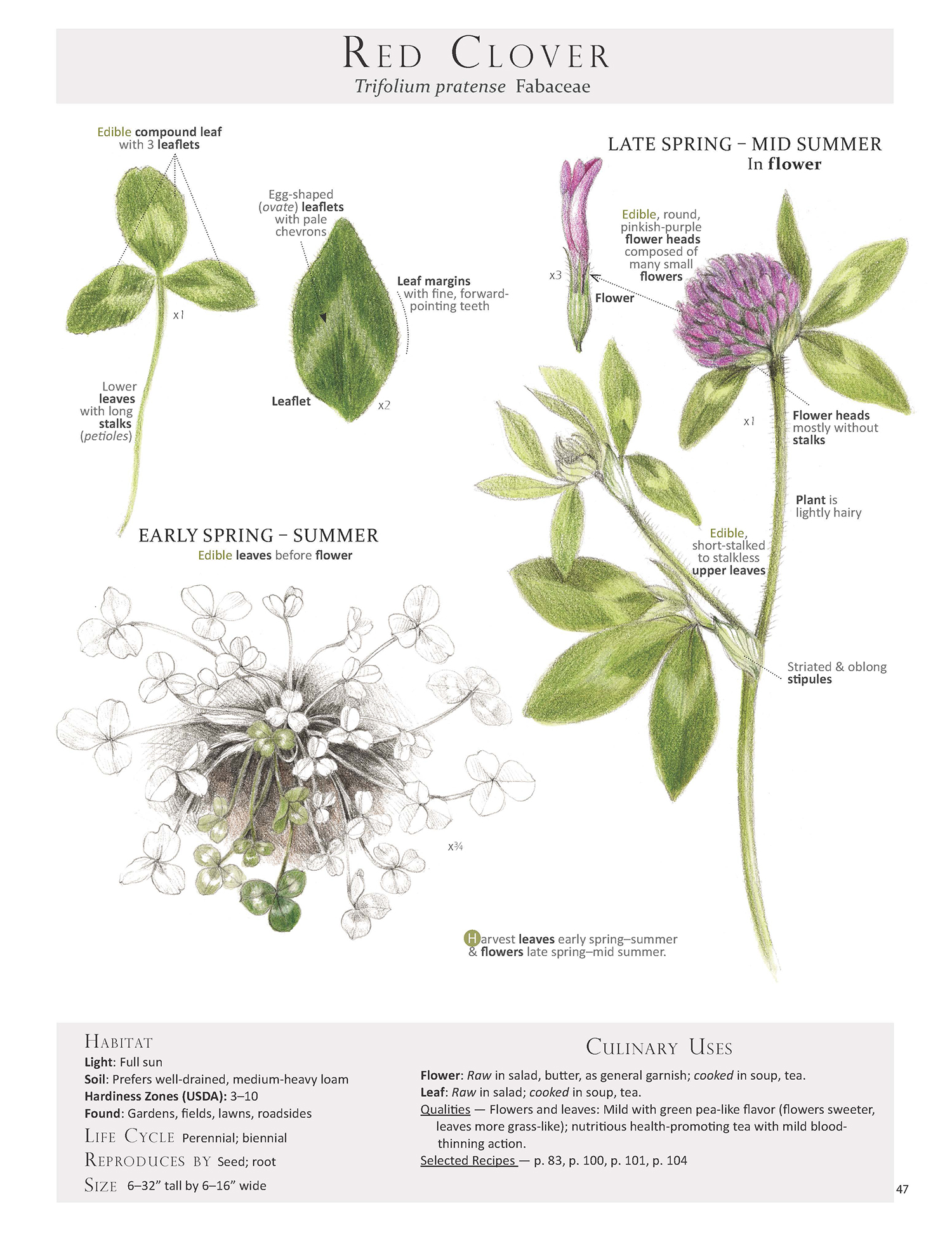
Red Clover

#RED CLOVER (Trifolium pratense) graces the landscape — time to gather the blossoms for food and medicine = medicinal food. Break up the flower heads and sprinkle the individual blossoms into salads, onto cakes, and as a garnish to beautify any dish. Dry the blossoms for a health-promoting tea; often used for supporting skin and lung health. Flavor is mild with a sweet pea-like taste.

Violet

Looking forward to righteous #violet (Viola sororia) arriving back in the landscape. Eat the mild leaves & flowers raw; super high in #vitaminC — flower surprisingly more than leaf. Decorate dishes, even cakes with the blossoms. Toss leaves into soup at the end of the cooking process, blend into pesto with more pungent greens or in Wild Green Goddess Dressing. Violet's soothing, cooling qualities help with inflammation in the gut and respiratory systems, as well as topically on the skin. Some say that these wild, free, and abundant violets are #antineoplastic, read anticancer!!!

Violet-Viola sororia.jpg